
Conditions We Treat
PEMF Therapy for
Horse Back Pain
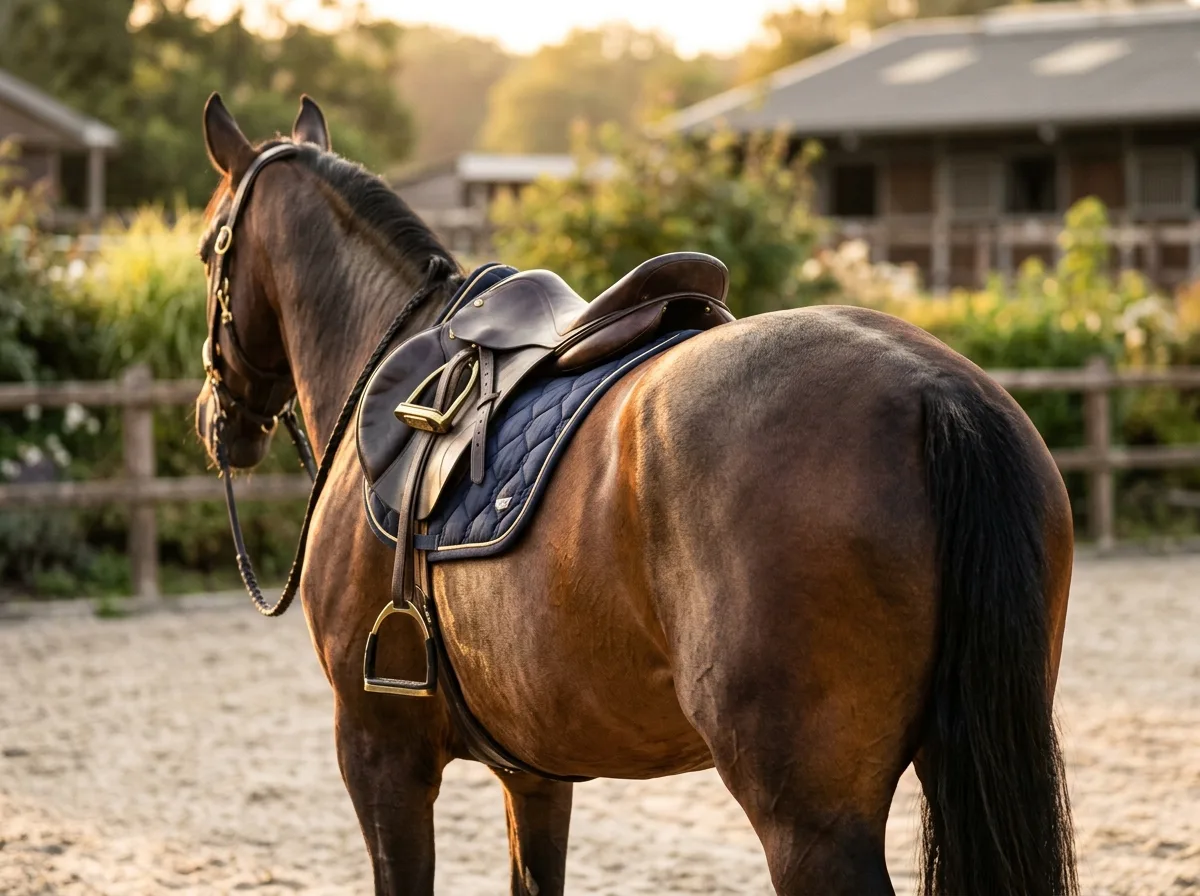
Back pain is one of the most underdiagnosed yet widespread issues affecting ridden horses. Because horses cannot tell us directly where they hurt, back pain often presents as behavioral changes, performance problems, or a vague "something isn't right" feeling from the rider. PEMF therapy is exceptionally well-suited for equine back pain because it penetrates deep into muscle tissue and addresses both the muscular and neurological components of discomfort.
Common Causes of Equine Back Pain
The equine back is a complex structure that must simultaneously support the rider's weight, transfer propulsive force from the hindquarters, and allow the flexibility needed for bending and collection. When any part of this system is compromised, pain and dysfunction follow quickly. The most common causes include:
- Poor saddle fit: A saddle that doesn't distribute the rider's weight evenly creates pressure points along the back. Over time, these pressure points cause muscle atrophy, bruising of the longissimus dorsi muscles, and chronic soreness that affects the horse's willingness and ability to work correctly.
- Rider imbalance: A rider who sits crooked, grips excessively with one leg, or collapses through their core creates asymmetric loading on the horse's back. This leads to compensatory muscle patterns where one side becomes overdeveloped and tight while the other side weakens.
- Kissing spines: Officially known as overriding dorsal spinous processes, this condition occurs when the bony projections on the vertebrae are too close together or actually touch, causing pain and inflammation. It is particularly common in the thoracolumbar region (roughly where the saddle sits) and can range from mild to severe.
- Sacroiliac dysfunction: The sacroiliac joint, which connects the spine to the pelvis, is a frequent source of hindquarter pain that owners and trainers often attribute to the back. Horses with SI issues may show uneven hip height, reluctance to engage behind, and difficulty with lateral work.
- Muscle strain and fatigue: Horses returning to work after time off, those being asked for increased collection or effort, and those with conformational challenges are all susceptible to muscle strains along the back. Repetitive strain without adequate recovery time leads to chronic tension and trigger points.
- Compensatory pain: Back pain frequently develops secondary to problems elsewhere. A horse favoring a sore hoof, dealing with hock arthritis, or managing a front-end lameness will alter its movement pattern in ways that overload the back muscles.
Recognizing Back Pain in Horses
Horses rarely show back pain in obvious ways. Instead, watch for behavioral signals: flinching or dipping when the saddle area is groomed, resistance to saddling, girthiness, reluctance to stand still for mounting, hollow or inverted way of going, difficulty bending in one or both directions, bucking or crow-hopping during transitions, shortened stride behind, and a general unwillingness to engage the topline. Some horses become irritable or "cold-backed" when first mounted, moving stiffly for the first several minutes of work before gradually loosening up.
How PEMF Addresses Deep Back Pain
The equine back contains layers of dense muscle tissue that can be difficult to reach with surface-level treatments like liniments or manual massage alone. PEMF therapy's electromagnetic pulses penetrate deep into these tissue layers, reaching muscles, fascia, and even the structures around the vertebrae themselves. This deep penetration is what makes PEMF particularly effective for back issues.
During a session focused on back pain, the PEMF device works on multiple levels simultaneously:
- Muscle relaxation: The electromagnetic pulses help release chronic muscle spasm and trigger points that have developed from ongoing pain or compensatory movement. Horses frequently show visible relaxation during treatment — muscles that were rock-hard begin to soften, and the horse's posture often changes as tension releases.
- Increased circulation: Tight, spasming muscles have reduced blood flow, which creates a cycle of pain. PEMF breaks this cycle by dilating blood vessels and improving microcirculation within the muscle tissue. Fresh blood brings oxygen and nutrients while carrying away the metabolic waste products that contribute to muscle soreness.
- Inflammation reduction: For horses with kissing spines or sacroiliac issues, reducing inflammation around the affected bony structures can provide significant relief. PEMF therapy modulates the inflammatory response at a cellular level, decreasing the production of inflammatory mediators.
- Nerve function support: Back pain often involves nerve irritation or compression. PEMF therapy supports healthy nerve function by improving the cellular environment around nerve pathways, which can reduce the hypersensitivity that makes back-sore horses reactive to touch and weight.
Typical Session Protocol for Back Pain
A back-focused PEMF session usually begins with a careful assessment of the horse's response to palpation along the spine and over the major muscle groups. This helps us identify the primary areas of tension and sensitivity so we can tailor the session accordingly.
We work systematically from the poll and neck through the withers, along the thoracolumbar spine, over the lumbar region, and into the sacroiliac area and gluteal muscles. The large loop applicator is ideal for covering the broad surface of the back, and we spend additional time on areas where the horse shows the most response. Sessions typically last 35 to 50 minutes for back-focused treatments, as the area involved is extensive and the layers of muscle are deep.
For acute back pain, we recommend two to three sessions in the first week, then tapering to weekly sessions for two to three weeks. Chronic back soreness generally responds well to an initial series of three to five sessions over two to three weeks, followed by maintenance every two to four weeks. The ideal maintenance schedule depends on the horse's workload, the underlying cause of the back pain, and whether contributing factors like saddle fit have been addressed.
Addressing the Root Cause
PEMF therapy provides excellent symptomatic relief for back pain, but lasting improvement requires identifying and addressing the underlying cause. We encourage owners to work with their veterinarian for diagnostic imaging if kissing spines or sacroiliac issues are suspected, have their saddle professionally fitted or reassessed, consider lessons or coaching to address any rider-related contribution, and develop a conditioning program that builds the topline muscles gradually and correctly.
When these root causes are addressed alongside regular PEMF therapy, the results are significantly better and longer-lasting. Many horses that were labeled "difficult" or "unwilling" transform once their back pain is properly managed — a testament to how much undiagnosed discomfort can affect behavior and performance.
Related Conditions
Quick Facts
- Condition
- Equine back pain, kissing spines, SI dysfunction
- Common Causes
- Saddle fit, rider imbalance, kissing spines, compensatory strain
- Session Length
- 35 – 50 minutes
- Acute Protocol
- 2 – 3 sessions in the first week
- Chronic Protocol
- 3 – 5 sessions over 2 – 3 weeks
- Key Benefit
- Deep muscle penetration that surface treatments can't reach
Suspect back pain?
A PEMF session can help identify and relieve hidden tension. We come to your barn.
Book a Session